
Introduction
Smoking is one of the leading causes of preventable heart disease worldwide. While many people associate smoking mainly with lung problems, its impact on the heart is equally severe and often more dangerous because it works silently. According to the best cardiologist in kolkata, smoking starts damaging your heart and blood vessels from the very first cigarette, long before any visible symptoms appear.
Damage to Blood Vessels
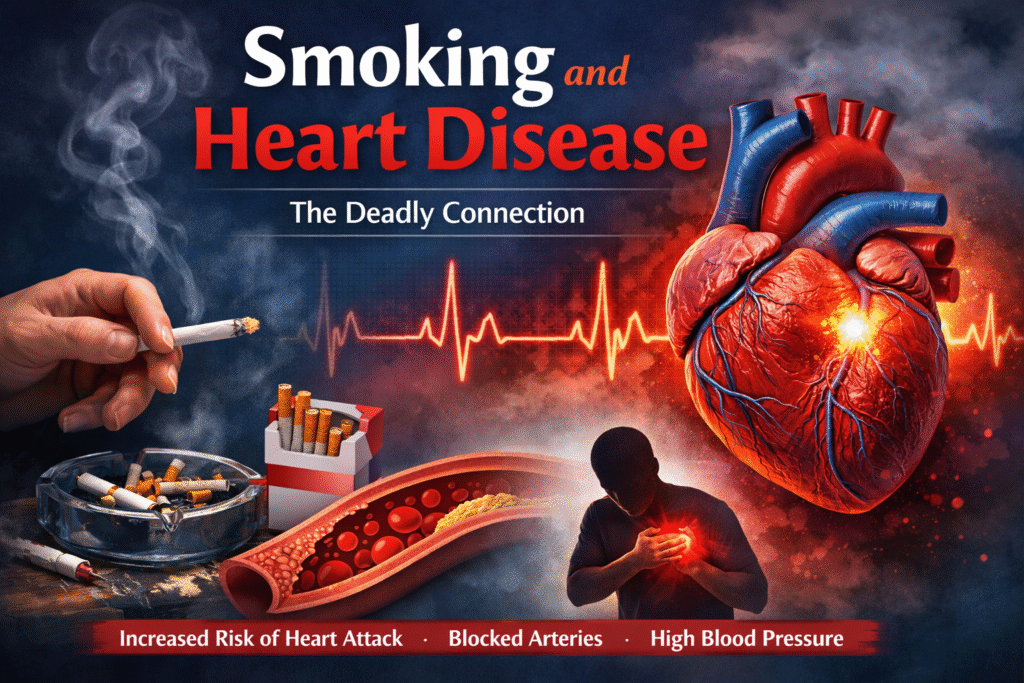
When you inhale cigarette smoke, harmful chemicals like nicotine and carbon monoxide enter your bloodstream. These substances damage the inner lining of blood vessels, making them rough and narrow. This damage allows fatty deposits to stick easily to artery walls, leading to a condition called atherosclerosis. Narrowed arteries reduce blood flow to the heart, increasing the risk of chest pain and heart attacks.
Increased Heart Rate and Blood Pressure
Nicotine is a stimulant that immediately raises your heart rate and blood pressure. Each cigarette forces your heart to work harder than normal. Over time, this constant strain weakens the heart muscles and increases the risk of high blood pressure, heart failure, and sudden cardiac events.
Reduction in Oxygen Supply
Carbon monoxide present in cigarette smoke reduces the oxygen-carrying capacity of your blood. As a result, the heart receives less oxygen even when it needs more. To compensate, the heart pumps faster and harder, which accelerates wear and tear on the heart muscle and increases the risk of heart damage.
Unhealthy Cholesterol Changes
Smoking lowers good cholesterol (HDL) and raises bad cholesterol (LDL). It also increases triglyceride levels in the blood. This unhealthy lipid balance speeds up plaque formation in arteries, further increasing the chances of blocked arteries and heart attacks.
Increased Risk of Blood Clots
Smoking makes blood thicker and stickier, increasing the risk of clot formation. These clots can suddenly block blood flow to the heart or brain, leading to heart attacks or strokes without warning. This is one of the reasons smokers often suffer sudden and severe cardiac events.
Effects of Passive Smoking
Even non-smokers are at risk. Exposure to secondhand smoke damages blood vessels and increases heart disease risk. Passive smokers have a higher chance of developing heart problems despite never lighting a cigarette themselves.
Benefits of Quitting Smoking
The good news is that quitting smoking allows the heart to heal. Within 24 hours, blood pressure and heart rate begin to normalize. Within a few months, circulation improves. Over time, the risk of heart disease drops significantly, regardless of how long a person has smoked.
Conclusion
Smoking attacks the heart in multiple ways—damaging blood vessels, reducing oxygen supply, increasing blood pressure, and promoting dangerous blood clots. These internal changes often occur silently until a major heart problem arises. Consulting the best cardiologist in kolkata can help assess heart risk, guide smoking cessation, and prevent life-threatening complications. Quitting smoking today is one of the most powerful steps you can take to protect your heart for the future.